Japan keeps topping the polls — it was voted the world's best country in Condé Nast Traveler's Readers' Choice Awards yet again — and the obvious follow-up question is when to actually book. The answer depends on what you want from the trip, because every season offers something different, and some come with serious caveats.
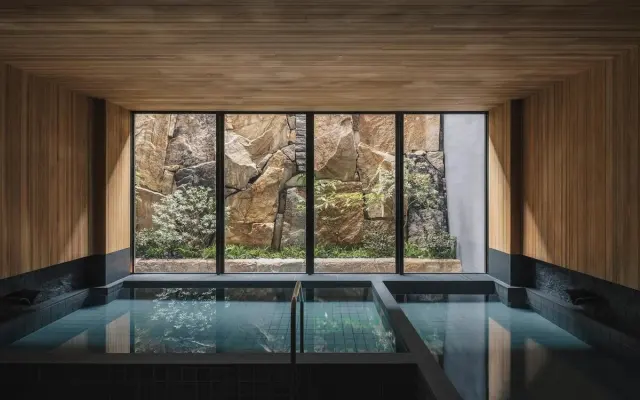
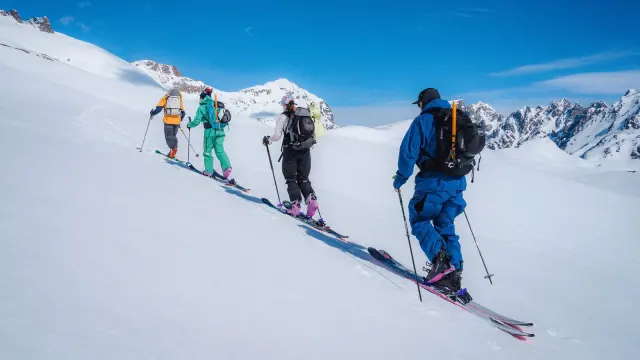
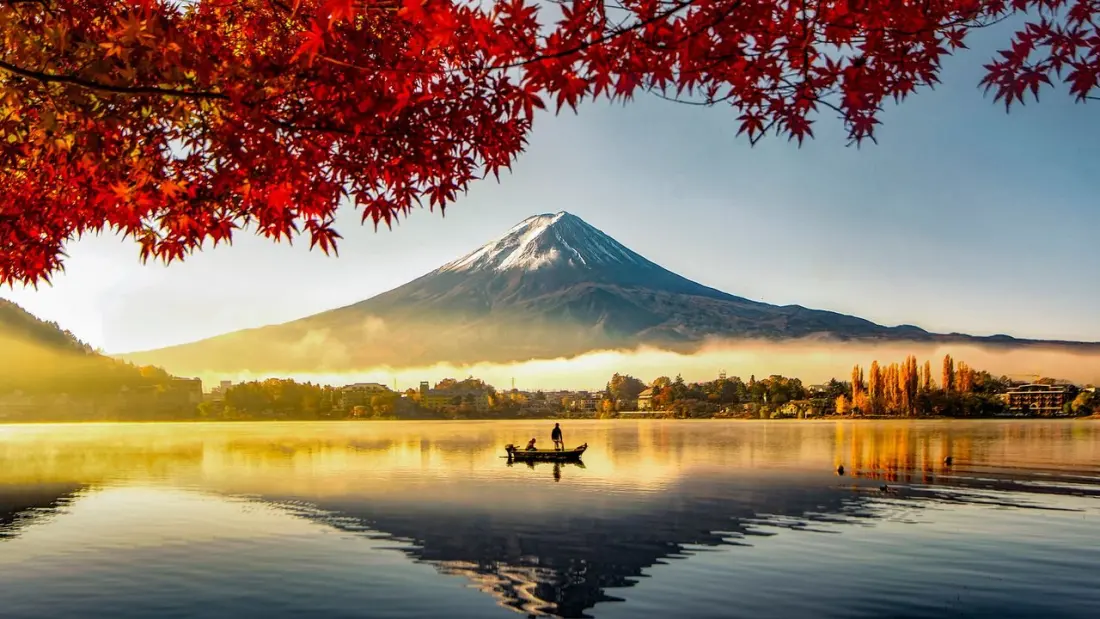
Winter is the all-purpose sweet spot. Once the New Year holiday closures are out of the way, mid-January to mid-March sees the country largely free of crowds, with crisp air that makes for the clearest views of Mount Fuji and hot springs at their most inviting. It's also the cheapest window, along with February — though ski resorts like those in Hokkaido stay busy and prices spike.
Spring is the polar opposite: cherry blossom season is stunning but heaving with people and it's the most expensive time of year. Travellers now book Kyoto trips years ahead to secure anything. One workaround: head to lesser-known mountain towns in western and central Japan — Fukui, Tonami, Toyama — where blossoms are just as good without the crush. Autumn offers a similar trade-off with its red and gold foliage; crowds come, but fewer than in spring, and spots like the Kiso Valley's Edo-period post towns or the Lake Biwa area in Shiga Prefecture feel noticeably calmer.
Summer gets hot and humid, but it's the best-value time of year, the rainy season turns out to be short bursts of rain rather than downpours, and festivals, Japanese Alps hiking and coastal escapes make it work. Families find it lines up neatly with school holidays. Just time outdoor plans for the morning and build in rest.
A few realities for first-timers. Aim for 10 to 14 days — enough for Tokyo, Kyoto and the countryside in between, with Osaka, Hiroshima, the Kiso Valley or the tea fields of Wazuka as worthy additions. Don't try to see everything; Japan rewards going slow and coming back. Blend the cities with a night or two in a ryokan — the Izu Peninsula and Kaga Onsen near Kanazawa are good picks.
Etiquette matters more than most visitors expect. Never tip — it can genuinely cause offence, and if a high-end ryokan does accept gratuities, cash must go in a sealed envelope. Skip last-minute dietary modification requests unless you have an allergy or religious requirement, and if you do, flag it well in advance when booking. Keep your voice down on trains, carry an IC transit card plus some cash, learn a few basic phrases, and consider a luggage-forwarding service so you're not hauling suitcases onto the shinkansen. And check the national holiday calendar before you lock in dates: Golden Week (April 29 to May 5), Obon in August and the foliage and blossom peaks all push prices up.
Bottom line: if you want space and savings, go in late winter. If you want blossoms or autumn colour, book far ahead and consider the quieter regions. Either way, a week is enough to make it worthwhile — just don't try to cram it all into one go.