Paying extra for premium economy sounds straightforward: a better seat, better food, a quieter cabin. In reality, the label covers everything from genuine intermediate cabins to what is essentially an economy seat with a few extra inches of legroom. There is no universal definition, so the name on your booking is only the start of the story.
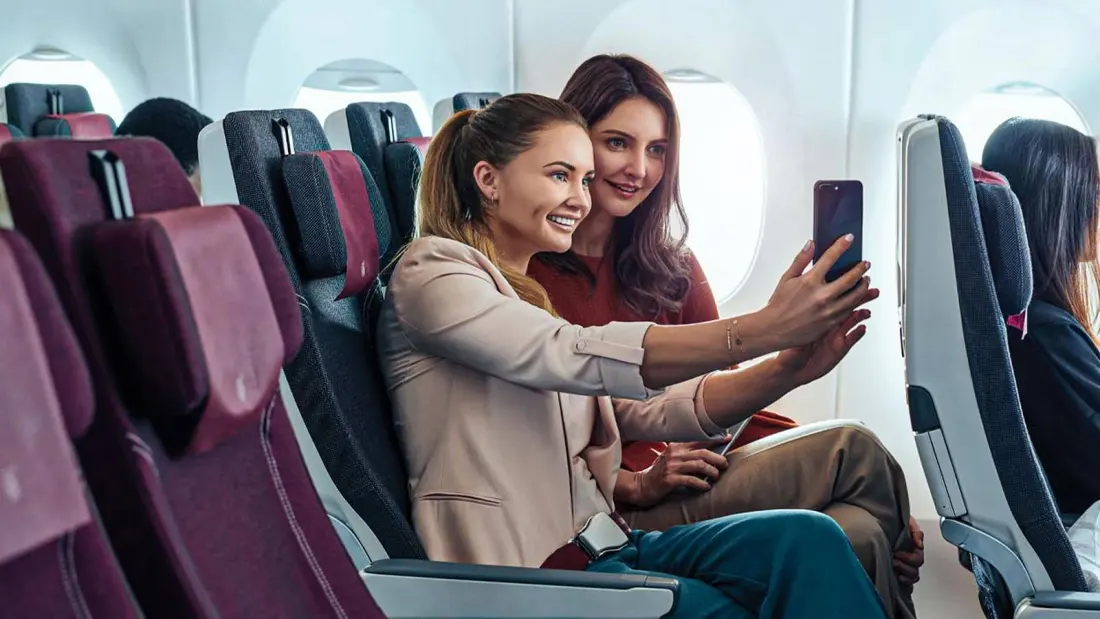
A true premium economy combines three things: a separate cabin, a physically different seat, and an upgraded service package — better meals, priority handling, extra baggage, amenity kits. If only the legroom changes, you have bought enhanced economy, not a distinct class.
Air China is a clear example of the gap. On some of its A330s, 747-8s and 787-9s, premium economy uses essentially the same seats as economy, with extra pitch the main improvement. Yet its newer A350s offer a much stronger product — wider seats, deeper recline, leg rests. The lesson: on carriers with mixed fleets, check which aircraft you are booked on before assuming what you will get.
Condor's A330neo premium economy sits in the middle. It does include real upgrades — increased recline, adjustable headrests, premium menus, priority services and extra baggage. But both economy and premium economy seats are 17.5 inches wide, and with 64 seats in the section, the separation can feel thin. Pitch is 35 inches versus 30 in economy — better, but not transformative.
Qatar Airways takes a different route entirely. Its Comfort+ product, found only on selected 777s acquired from Cathay Pacific and Virgin Australia, uses seats from those airlines' old premium economy cabins — around 38 to 41 inches of pitch and 19.5-inch widths in a 2-4-2 layout. Impressive space, but meals and service are the same as economy. And because the product depends on specific airframes, an aircraft swap can take it away from you.
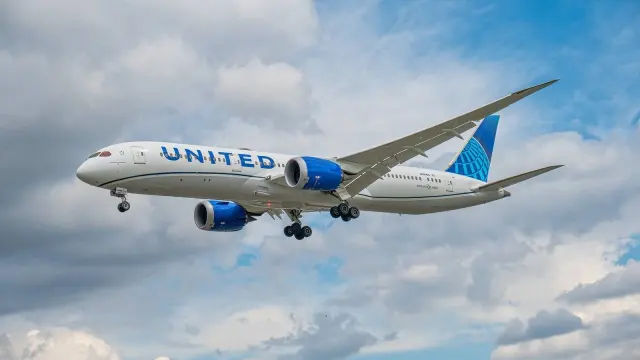
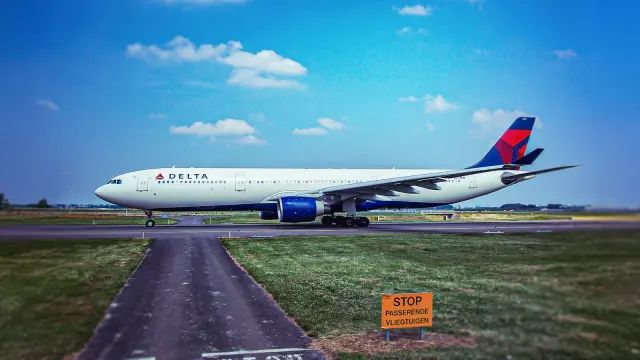
Etihad and JetBlue sidestep the confusion by never using the label at all. Etihad's Economy Space on the A350 offers about 35 inches of pitch versus 31 in standard rows. JetBlue's EvenMore adds up to 38 inches of legroom plus early boarding, dedicated bin space, premium snacks and free drinks — all within economy. The US majors are the clearest of all: Delta splits Comfort from Premium Select, United separates Economy Plus from Premium Plus, and American distinguishes Main Cabin Extra from Premium Economy, which it defines as a separate fare and physical product.
The practical takeaway is simple. Before paying for any upgrade, look past the name and check three things on the specific aircraft: is the seat itself different (width, recline, footrests), is the cabin separated, and does the fare include service upgrades? If the answer is only 'more space', you know exactly what you are buying — which may still be worth it, but at the right price.
Simple Flying