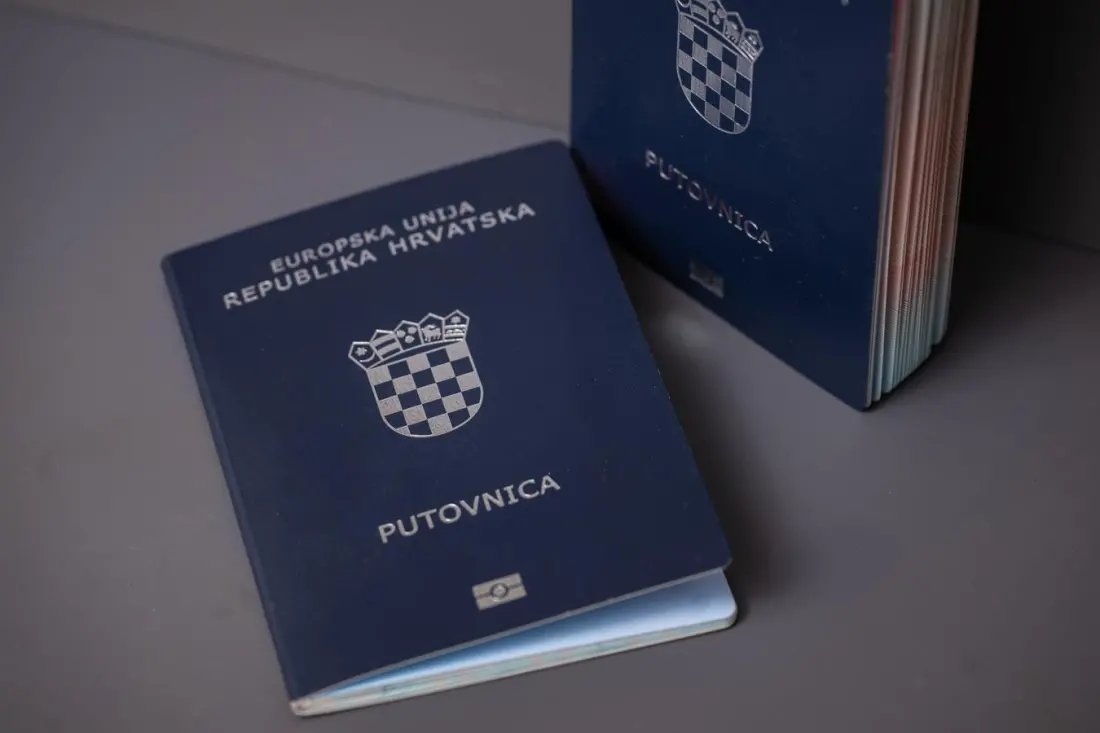
The Croatian diaspora passport used to be a nostalgia play: trace your grandparents back to Dalmatia, get an EU passport, dream of a Mediterranean retirement. According to reporting from Croatia, a new type of applicant is now driving demand — and they're motivated by probate law, not sentiment.
Software engineers, blockchain founders and remote tech executives with Croatian ancestry are pursuing the Domovnica (the Croatian citizenship certificate) as a legal instrument for protecting digital wealth. The logic goes like this: when an American dies, their estate enters probate, a court-supervised process that's public record. That means crypto portfolios, domain registries, SaaS intellectual property and other digital assets can end up exposed to anyone who cares to look — a privacy and security nightmare for heirs. Worse, US custodians and cloud providers typically freeze accounts the moment they learn of a death, and unfreezing them can require state-level court orders taking months or years, all while volatile crypto positions sit locked.
This is where an EU passport changes the maths. Croatian citizenship makes an American an EU citizen, granting access to the EU Succession Regulation, better known as Brussels IV. It allows a citizen to choose the law of their nationality to govern their entire estate, replacing fragmented, public US probate with a unified civil-law process handled privately through notaries. For a tech founder, that means shares in an EU holding company — a Croatian d.o.o. or an Estonian OÜ — can transfer quietly and quickly, while an EU-based business keeps trading even if the American side of the estate is frozen in court.
There's also a hedging angle. US regulation of digital assets remains unpredictable, and an EU legal foothold gives founders a lawful alternative jurisdiction for IP and digital capital should American policy turn hostile. The article cites services like Croatian By Descent, run by diaspora members who help applicants navigate the notoriously bureaucratic process of gathering lineage records, apostilles and consulate paperwork.
Why should a holiday-minded reader care? Because this dual-citizenship wave has practical travel upside too: an EU passport means shorter queues, the right to live and work anywhere in the bloc, and a legal base from which to enjoy Croatia itself — the Adriatic coast, the islands, the increasingly popular remote-work scene in cities like Split and Zagreb. For Americans with Croatian grandparents, the paperwork is the same whether your motivation is sentimental or strategic. The growing interest from the tech crowd may even speed up consulates' handling times as demand rises. If you've been sitting on a half-finished citizenship-by-descent application, now might be the moment to finish it — for the villa, the passport queue, or the crypto.